Introduction:
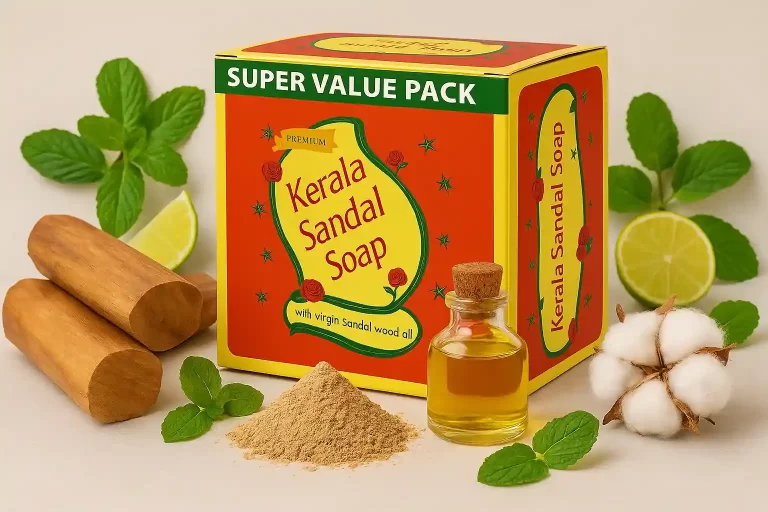
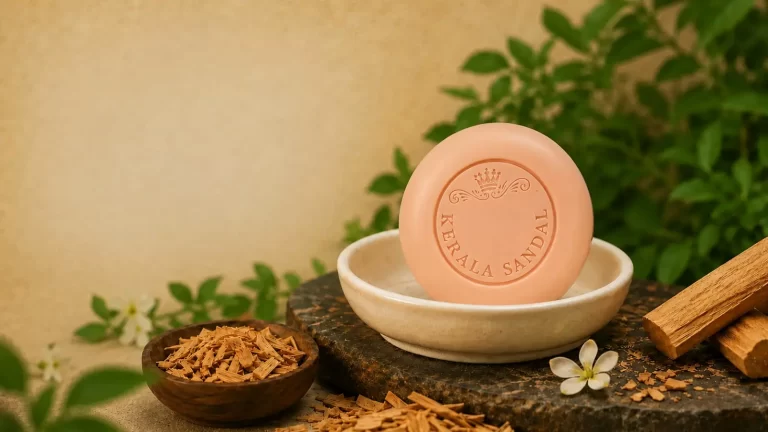
In the bustling world of modern skincare, where new brands emerge every day, a few stand as monuments to a bygone era of quality and tradition. Among them is Kerala Sandal Soap, a name that evokes a sense of nostalgia, purity, and heritage for millions. This isn’t just a soap; it’s a living legacy, a story of craftsmanship that has been passed down through generations in the heart of Kerala. This blog delves into what makes Kerala Sandal Soap a cut above the rest, with a special focus on its key ingredients and the quality standards that have defined it for over a century.
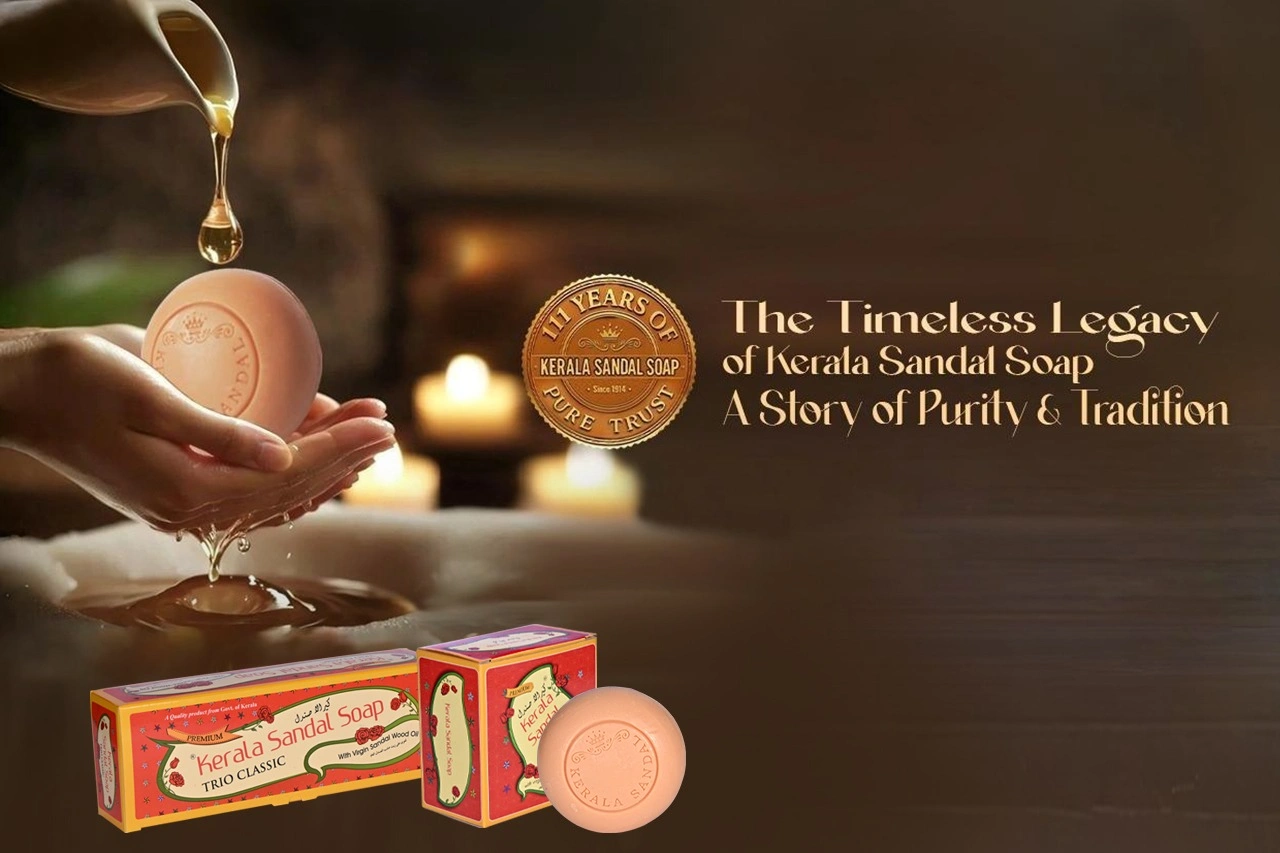
A Legacy Woven in Time The story of Kerala Soaps dates back to 1914, when the British established the “Kerala Soap Institute” in Kozhikode. It was one of Asia’s first soap manufacturing and training centers, a testament to the region’s rich natural resources. Over the years, this institute evolved, and in 1963, it was reconstituted as a state-owned enterprise, Kerala Soaps and Oils Limited. The brand’s most iconic creation, the Kerala Sandal Soap, quickly became a household name, cherished for its rich fragrance and skin-nourishing properties.
Even after a temporary closure in 2002, the brand’s immense popularity and the public’s desire to relive its authentic experience led to its revival in 2010 by the Kerala State Industrial Enterprises. The brand was reborn, with a renewed commitment to its founding principles of quality, purity, and excellence. Today, every bar of Kerala Sandal Soap carries this century-old legacy, an assurance of authenticity that modern brands can only aspire to.
The TFM Advantage: What It Means for Your Skin When you pick up a soap bar, have you ever noticed the acronym “TFM” on the packaging? TFM stands for Total Fatty Matter, and it is the single most important indicator of a soap’s quality. It measures the percentage of natural oils and fats present in the soap. According to the Bureau of Indian Standards (BIS), soaps are graded based on their TFM:
Grade 1: TFM of 76% and above.
Grade 2: TFM between 70% and 75.9%.
Grade 3: TFM below 70%.
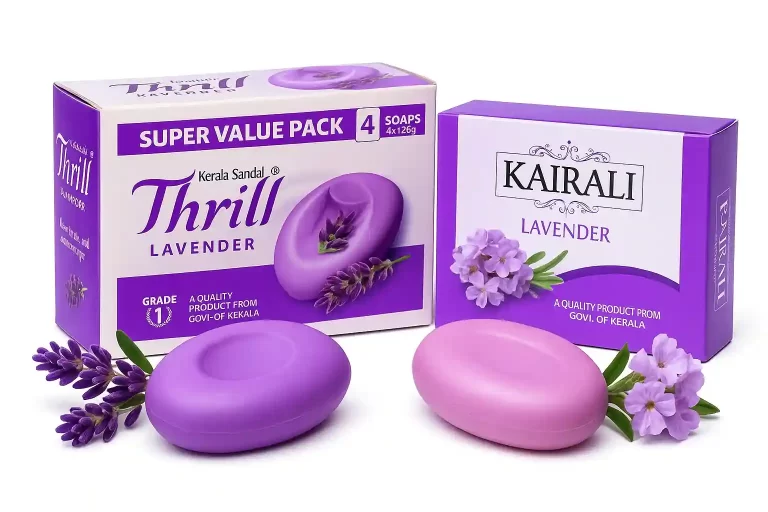
Kerala Sandal Soap proudly stands as a Grade 1 soap, with a TFM of over 80%. This high TFM value means the soap contains more natural, nourishing ingredients and fewer harsh fillers. It is a sign of a superior, long-lasting product that cleanses without stripping your skin of its natural moisture. The high TFM ensures a rich, creamy lather and a smoother, more luxurious feel on the skin.
Why Pure Sandalwood Oil? The Golden Elixir of Skin The heart and soul of our signature soap is the use of pure virgin sandalwood oil, sourced from the pristine sandalwood forests of Marayoor in Kerala. This isn’t just a marketing gimmick; it’s a commitment to using one of nature’s most revered ingredients. But why is pure sandalwood oil so special?
- Natural Antiseptic and Anti-inflammatory: Sandalwood oil has powerful antiseptic and anti-inflammatory properties. It helps soothe skin irritations, fight acne-causing bacteria, and calm down redness and inflammation. For people with sensitive or acne-prone skin, it acts as a gentle yet effective solution.
- A Natural Moisturizer and Skin Toner: Sandalwood is known to retain moisture, making it excellent for keeping the skin hydrated and soft. Its natural astringent properties also help tighten pores and improve skin tone, giving you a fresh, youthful glow.
- Aromatherapeutic Benefits: The enchanting, woody fragrance of sandalwood is more than just pleasant; it has well-documented aromatherapeutic benefits. A bath with Kerala Sandal Soap is a sensory experience that helps calm the mind, reduce stress, and leave you feeling refreshed and rejuvenated.
- Reduces Blemishes and Scars: The healing properties of sandalwood oil can help in reducing the appearance of scars, dark spots, and blemishes over time, leading to a more even and radiant complexion.
Conclusion:
A Promise of Purity In a world that is constantly changing, Kerala Sandal Soap remains a steadfast promise of purity, quality, and tradition. It is a symbol of a legacy that honors the bounty of nature and the artistry of craftsmanship. By choosing Kerala Sandal Soap, you are not just choosing a cleansing product; you are choosing a piece of history, a tribute to the land of Kerala, and a luxurious experience for your skin. It is, and will always be, the gold standard for pure, natural beauty.
How is sandalwood oil extracted?
Sandalwood oil is a highly valued essential oil primarily extracted from the heartwood of mature sandalwood trees, most notably the Indian sandalwood (Santalum album). The process is a meticulous and time-consuming art that ensures the preservation of the oil’s unique chemical composition and rich aroma.
The most common and traditional method of extraction is steam distillation. Here’s a step-by-step breakdown of how it works:
- Preparation of the Wood: The process begins with the selection of mature sandalwood trees, as the heartwood of older trees contains the highest concentration of oil. The wood is first chipped or ground into a fine powder. This increases the surface area, allowing for a more efficient extraction of the oil from the wood cells.
- The Distillation Process: The prepared sandalwood chips or powder are then loaded into a large distillation chamber. High-pressure steam is introduced into the chamber, often from a separate boiler. The intense heat of the steam causes the volatile essential oil compounds within the wood to vaporize.
- Vaporization and Condensation: The steam carrying the essential oil rises and travels through a connecting pipe to a cooling unit, known as a condenser. Inside the condenser, the temperature is drastically lowered, causing the steam and the oil vapor to condense back into a liquid state.
- Separation: The resulting liquid is a mixture of water (known as hydrosol) and sandalwood oil. Because oil and water have different densities, the sandalwood oil, being lighter, floats on top of the water. This allows for easy separation. The pure sandalwood oil is then carefully collected and filtered to remove any impurities.
The entire process is quite slow, often taking between 14 to 36 hours for a single batch. This lengthy duration is necessary to ensure the maximum yield and a complete extraction of all the aromatic compounds locked within the dense wood. The final yield of oil is relatively low, typically ranging from 3% to 6% of the raw wood’s weight, which contributes to its high value.
While steam distillation is the traditional method, other modern techniques like supercritical fluid extraction (using carbon dioxide) are also being explored. However, for a brand that prides itself on heritage and authenticity like Kerala Soaps, the classic steam distillation process is what ensures the highest quality and preservation of the pure, natural character of the oil.